What Is Myofunctional Therapy and How Perfect White Smile Can Help
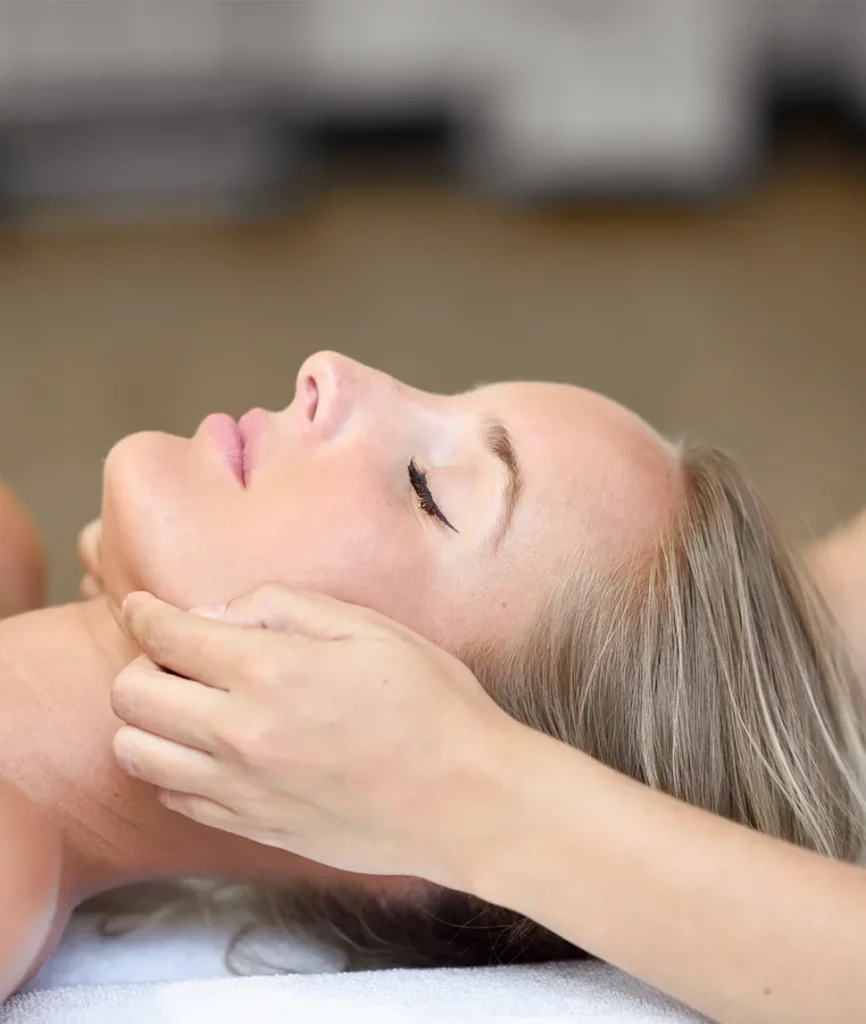
At Perfect White Smile Cosmetic Dentistry Beverly Hills led by renowned cosmetic dentist and TMJ expert Dr. David Frey DDS, we believe long-term oral health and beautiful smiles start with proper function. While many patients come to us for cosmetic improvements, such as veneers or Invisalign, others seek relief from jaw pain, headaches, or facial tension. In many cases, myofunctional therapy plays a critical role in both cosmetic dentistry and TMJ dentistry.
This comprehensive approach allows us to address not only how your smile looks, but also how your mouth, jaw, and facial muscles work together every day.
Understanding Myofunctional Therapy
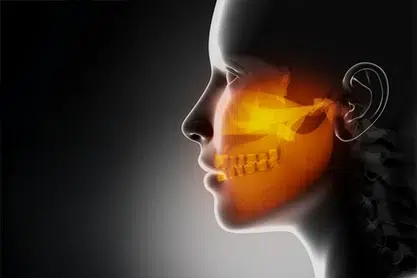
All muscles can be strengthened. Physical therapists strengthen and rehabilitate muscles in the body., Myofunctional therapists are very similar in their approach that focuses on correcting improper muscle function of the tongue, lips, jaw, and face. These muscles influence how we breathe, swallow, speak, and hold our jaw at rest. When they do not function correctly, problems can develop over time, including crooked teeth, bite instability, and temporomandibular joint disorders.
The therapy involves simple, guided exercises designed to retrain muscle patterns. These exercises are proven, non-invasive, and highly dependent on patient participation. Consistency is key to success.
In our practice, myofunctional therapy is often part of a broader treatment plan that may include orthodontics, cosmetic dentistry, or TMJ treatment.
The Big 3 and Why They Matter
We often refer to the foundation of myofunctional therapy as The Big 3:
- Proper tongue posture: The tongue should rest gently against the palate, not low in the mouth or pushing against the teeth. Incorrect tongue posture can place pressure on teeth and strain the jaw joints.
- Nasal breathing: Breathing through the nose supports balanced facial development and reduces unnecessary tension in the jaw and neck muscles. Chronic mouth breathing can worsen TMJ symptoms.
- Lip competence: The lips should rest together comfortably without effort. When lips cannot close naturally, the jaw often remains in an unstable position.
When any part of the Big 3 is compromised, the jaw muscles may overwork to compensate. Over time, this imbalance can contribute to jaw pain, popping, clicking, headaches, and facial fatigue, all common signs of TMJ disorders.
How Myofunctional Therapy Relates to TMJ Dentistry
TMJ disorders are often misunderstood as purely joint-related problems. In reality, many TMJ issues are muscular in nature. As an experienced TMJ dentist, we look closely at how muscle habits affect jaw function.
Myofunctional therapy helps by:
- Reducing strain on the temporomandibular joints
- Improving resting jaw position
- Supporting balanced muscle coordination
- Enhancing the effectiveness of other TMJ treatments
For patients undergoing TMJ dentistry, myofunctional therapy is frequently combined with oral appliances, bite adjustments, or orthodontic care. This integrated approach helps address the root cause of discomfort rather than just managing symptoms.
Benefits for Cosmetic Dentistry Patients -Long term stabilization!
Myofunctional therapy is not only for TMJ pain. It is also valuable for patients pursuing cosmetic dentistry. Muscle habits directly influence the stability of orthodontic and cosmetic results.
Without proper tongue posture and muscle balance:
- Teeth may shift after Invisalign or braces
- Veneers and restorations may be placed under excess pressure
- Facial aesthetics may appear strained rather than relaxed
By addressing function first, cosmetic dentistry results tend to be more stable, natural-looking, and comfortable.
What to Expect From Myofunctional Therapy
Patients begin with an evaluation to assess tongue posture, breathing habits, lip closure, and jaw function. Based on these findings, a customized exercise program is created.
Exercises are simple and performed daily at home. Progress depends heavily on consistency. Many patients begin to notice improvements in jaw comfort, breathing, and muscle awareness within a few weeks.
While timelines vary, the goal is long-term improvement in how the mouth functions at rest and during movement.
Why Choose Perfect White Smile for TMJ Dentistry in Beverly Hills
Patients searching for a trusted TMJ dentist in Beverly Hills often want more than temporary relief. They want answers and lasting solutions. Our approach focuses on the whole system, teeth, muscles, joints, and breathing.
By combining TMJ dentistry with myofunctional therapy and cosmetic expertise, we help patients:
- Reduce jaw pain and tension
- Improve comfort and function
- Protect cosmetic dental investments
- Support overall oral health
This comprehensive care is what sets our Beverly Hills practice apart.
Frequently Asked Questions About Myofunctional Therapy and TMJ
Is myofunctional therapy part of TMJ treatment?
Yes. Myofunctional therapy is commonly included in TMJ treatment to correct muscle imbalances that contribute to jaw pain and dysfunction.
Can a TMJ dentist recommend myofunctional therapy?
A TMJ dentist may recommend it when tongue posture, breathing habits, or muscle tension affect jaw stability.
Does myofunctional therapy help jaw pain and headaches?
Many patients experience reduced jaw tension, fewer headaches, and improved comfort with consistent therapy.
Is myofunctional therapy used with oral appliances?
Yes. It often enhances the effectiveness of TMJ appliances and bite correction.
Can cosmetic dentistry patients benefit from TMJ dentistry?
Absolutely. Treating TMJ issues helps maintain cosmetic results and improves overall comfort.
How long does myofunctional therapy take to work?
Results vary, but many patients notice improvement within weeks when exercises are done regularly.
Is myofunctional therapy suitable for adults?
Yes. While often associated with children, adults benefit greatly, especially those with TMJ symptoms.
How Myofunctional Therapy Supports Long-Term Oral Health and Jaw Stability
Myofunctional therapy is more than a supporting treatment. It is a foundational approach that helps correct the muscle habits influencing jaw position, breathing, and facial balance. When tongue posture, nasal breathing, and lip competence work together, the jaw can rest in a stable, relaxed position.
For patients receiving TMJ dentistry, this balance is essential. Muscle strain and improper function are often the underlying causes of jaw pain, clicking, headaches, and facial tension. By retraining these muscles, myofunctional therapy helps reduce stress on the temporomandibular joints and supports long-term comfort.
When combined with cosmetic dentistry or orthodontic care, myofunctional therapy also helps protect results by minimizing relapse and uneven pressure on the teeth and jaw. The result is a healthier bite, improved comfort, and greater treatment stability.
Schedule a Consultation With a Trusted TMJ Dentist in Beverly Hills
If you are experiencing jaw pain, headaches, facial tightness, or discomfort when chewing, working with an experienced TMJ dentist can make a meaningful difference. Myofunctional therapy may be an important part of identifying and treating the root cause of your symptoms rather than simply managing them.
At Perfect White Smile Cosmetic Dentistry Beverly Hills owned and operated by the renowned cosmetic dentist and TMJ expert Dr. David Frey DDS, we take a comprehensive approach to TMJ dentistry by evaluating muscle function, jaw position, breathing habits, and bite alignment. This allows us to create personalized treatment plans that support both comfort and long-term oral health.
If you are considering cosmetic dentistry, Invisalign, or TMJ treatment, now is the time to explore a functional approach that supports lasting results.
Call today to schedule your consultation and discover how myofunctional therapy and TMJ dentistry can help you feel better, function better, and smile with confidence.